

Organised business storage with clear inventories
Inventories that track contents
Clear labels and item lists help businesses know what has gone into storage and why.
Grouped by practical need
Contents can be organised by department, project, product type or likely return date.
Useful during changeovers
Storage can support relocations, refurbishments and seasonal pressure on site space.
Keeping business contents organised while off site
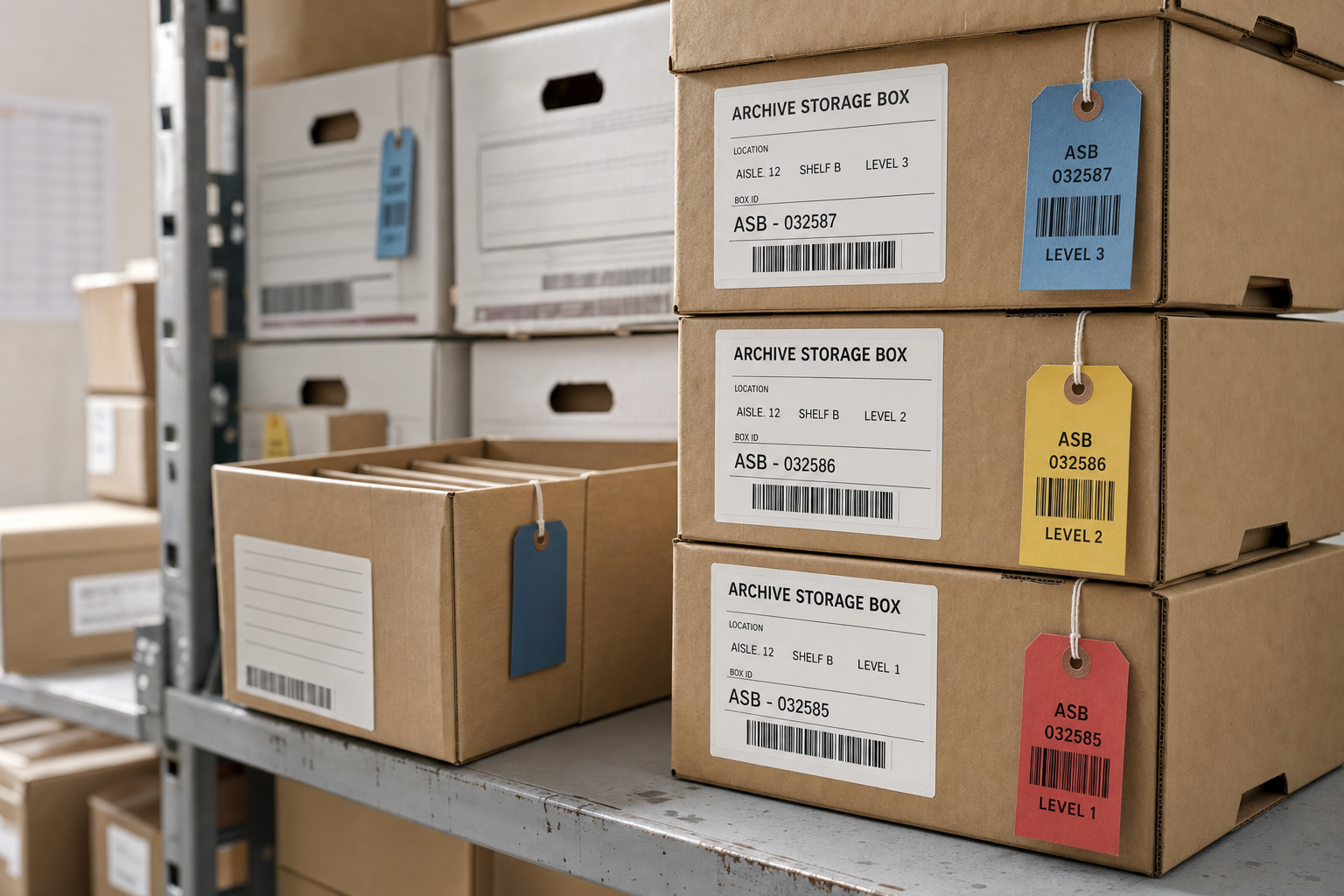
Business storage can take pressure off your premises when stock levels change, a refurbishment is under way, or a relocation needs space between stages. We can store stock, equipment, archived materials, display items and surplus workplace furniture, with the arrangement planned around what the business needs to keep track of and what may need to come back first. An itemised inventory and consistent labels are what keep this workable in practice, especially when several departments or projects are involved. With Cambs Light Removals, storage is not treated as a simple overflow pile. We help organise the contents by department, product type, project or likely retrieval date so the load still makes sense when you need it again later.
Business storage collections and returns around your operations
Business storage works best when the collection and return fit around access at the premises and the way the operation runs day to day. We plan around loading arrangements, nominated contacts and the points in the week when stock or equipment can be moved with least disruption. That is useful during relocations, seasonal space pressures or changing stock volume, because storage can take part of the load off site without losing track of what has gone where. Jobs arranged with Cambs Light Removals can also connect business storage to a wider commercial move, which helps when some assets need to be delivered straight away and others need to stay stored until the next phase is ready.
Frequently asked questions
What kinds of business contents can go into storage?
Business storage can cover stock, equipment, archived materials, display items and surplus workplace furniture. The useful part is not just finding room for them, but keeping the contents listed and labelled so they still make sense to the business later, especially when different teams share the same stored load.
How do you keep stock or files organised in storage?
We encourage an itemised inventory and consistent labels before collection so contents can be grouped by department, product type, project or likely retrieval date. That is what stops storage turning into a general holding area where nobody is certain what went in, what stayed out and what needs returning first.
Can business storage work alongside a relocation?
Yes, it can be very useful during a phased move. Some contents may need to go straight to the new premises while others are held back until space, layout or project timing catches up. Planning storage and transport together often gives the business more control than trying to arrange each stage separately.