
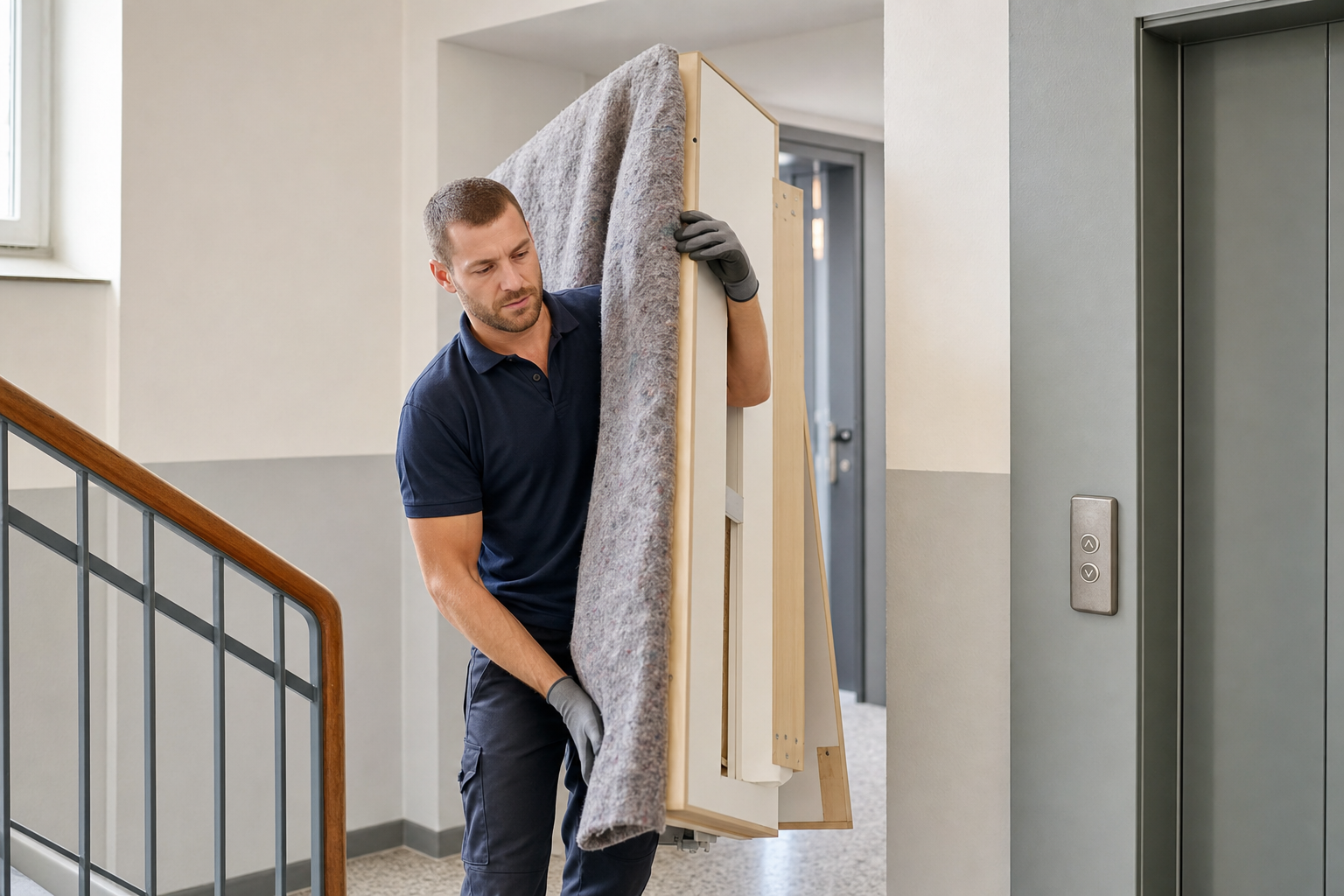
Planning flat removals around building access
Access checked in advance
Floor level, lift size, parking and entry times help shape the move before arrival.
Useful room priorities
Labelled boxes help us unload in a sensible order when space is limited.
Dismantling for tight routes
Bulky items can be taken apart and reassembled where access makes that worthwhile.
Planning for shared entrances and limited space
Flat moves are shaped as much by the building as by the amount being moved. Stairs, lifts, shared entrances, corridors and limited loading access can all change the pace of the day, so we ask about floor level, lift dimensions, building access times and parking at both addresses before we arrive. That allows a better plan for bulky furniture, labelled boxes and the order items need to come out of the vehicle. With Cambs Light Removals, flat removals are prepared around the actual route through the building instead of assuming there will be room to stop, lift and unload without delay. This is especially useful when the move involves compact rooms, narrow turns or a destination where floor space is tight from the moment you arrive.
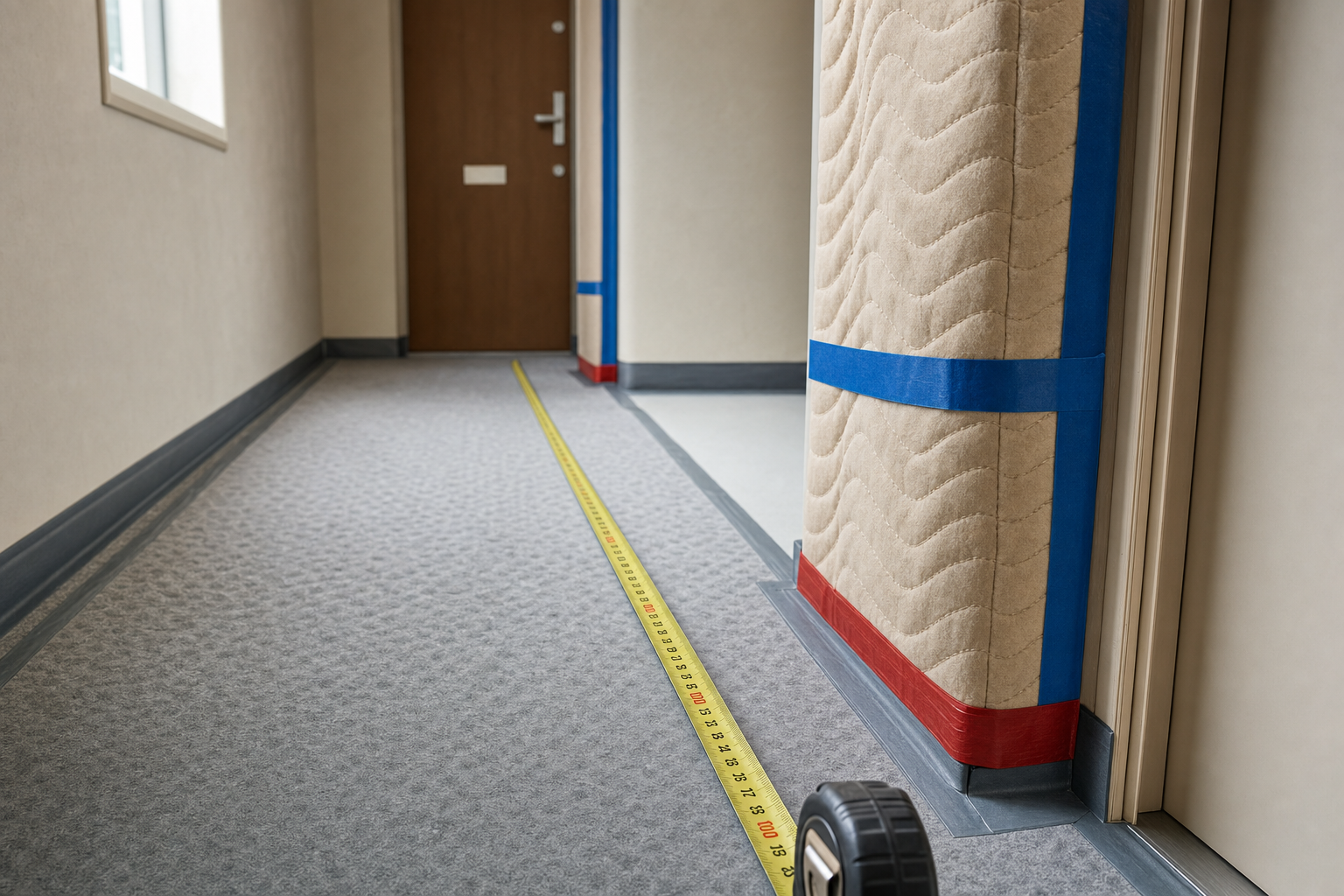
Keeping communal areas clear on moving day
A good flat move also depends on how the building needs to function while the job is happening. We ask about management rules, key collection, lift bookings and any instructions for keeping communal routes clear, because ignoring those practical points can slow everything down or create tension with the building itself. Labelled boxes and room priorities become more useful in flats where there is little spare space to sort things after unloading. Moves arranged with Cambs Light Removals can include furniture dismantling and reassembly where that helps larger pieces get through tighter routes. If access is restricted at either end, telling us early makes the whole plan more realistic and avoids preventable problems on the day.
Frequently asked questions
What building details should I tell you before a flat move?
Tell us the floor level, whether there is a lift, the lift dimensions if known, any access time restrictions, parking arrangements and how far items need to be carried. Shared entrances, coded doors and building management rules also matter. Those details often shape the move more than the total volume does.
How do you keep unloading organised in a smaller flat?
Clear box labels and room priorities make a big difference when there is little floor space to work with. If we know what needs to go where and what you want first, we can unload in a more useful order instead of stacking everything in the nearest available patch and leaving you to sort it out later.
Can you work around lift bookings or set access times?
Yes, if we know about them in advance. Many flats have booked lift slots, concierge procedures or restricted loading periods, and those details need to be built into the schedule. The earlier you share them, the easier it is to plan a workable arrival time and avoid rushed decisions on the day.